- BuildingsMixed-Use Conversion Denkmalstrasse Lucerne
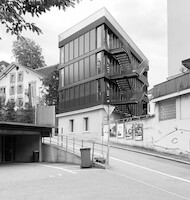
- Vertical Factory Komax AG
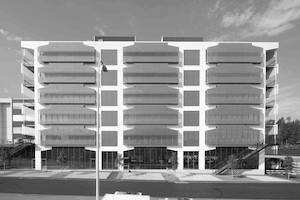
- Plant Manager's Home
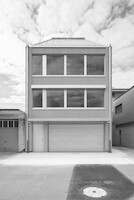
- Cultural youth centre Schappe Süd
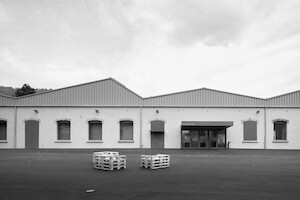
- Primary school
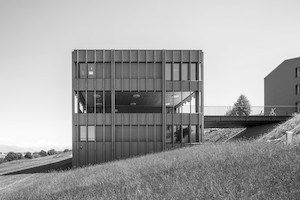
- Residential building Mühle
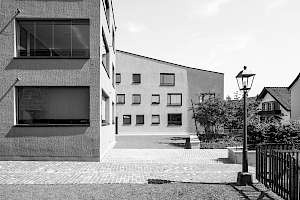
- Residential building in a tree grove
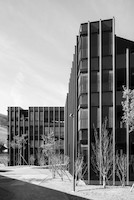
- Extension for the Thun Panorama
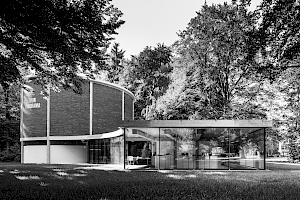
- Single-family home W
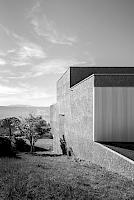
- New replacement building Bühlegg
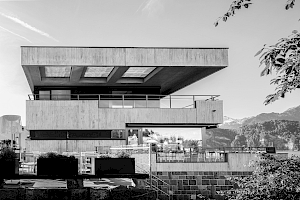
- Stahlton Bauteile AG office building
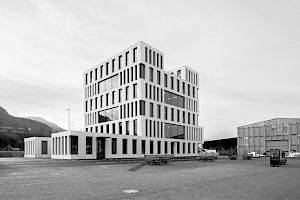
- AWZ housing
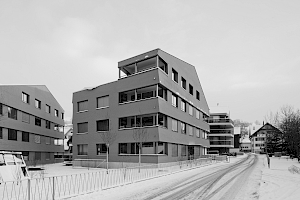
- Uri curative education centre
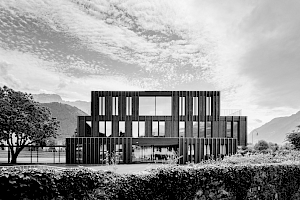
- Pilatus Kulm panorama gallery
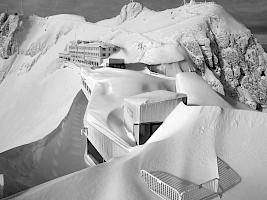
- Villa by Lake Zug
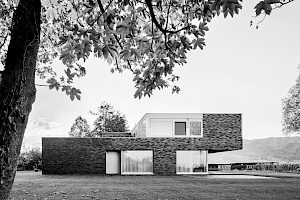
- Villa by Lake Lucerne
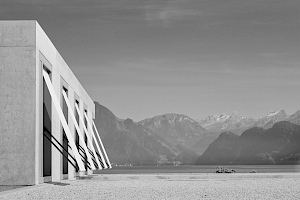
- Window factory extension
- Single-family house in Ermensee
- Residential and commercial building
- Sports and multifunctional hall
- Municipal centre / Raiffeisenbank
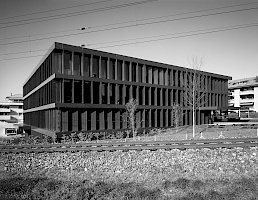
- Obermarch school centre
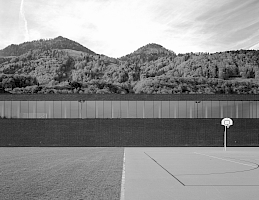
- Stucki single-family home
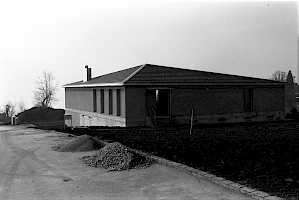
- ProjectsNew Lucerne Theater
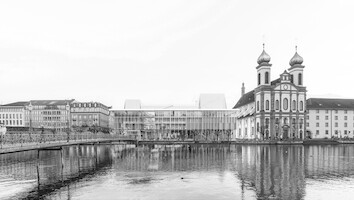
- «Paradies» residential buildings
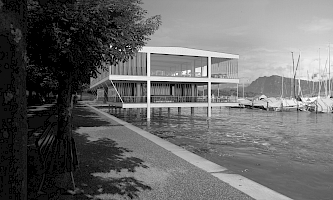
- Tivoli lake restaurant and yacht club
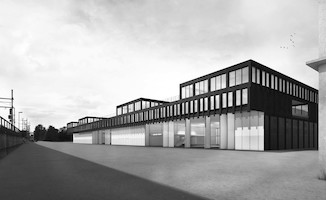
- Transportation headquarter
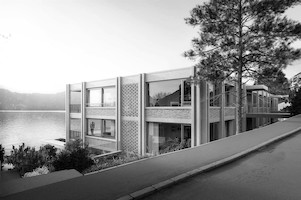
- Lakeside residence
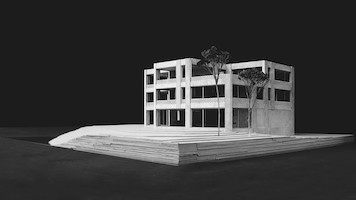
- Car park with exhibition hall
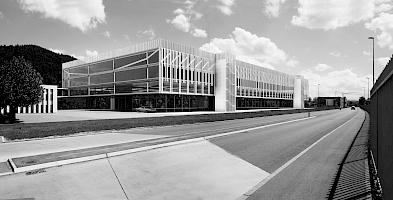
- Silo tower
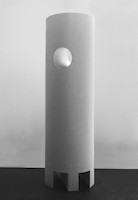
- Rowing centre Rotsee
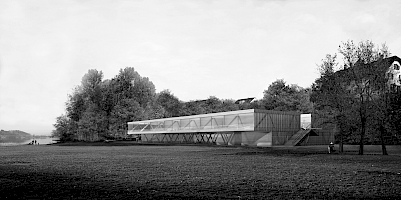
- Refuse incineration plant
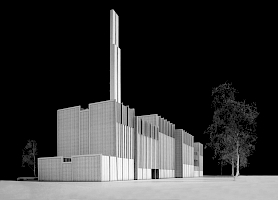
- Recycling centre
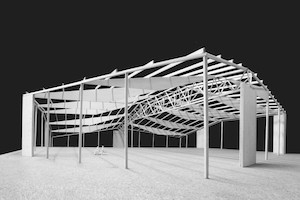
- Exhibition halls Allmend
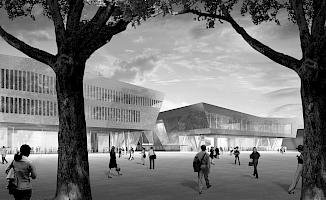
- Art Museum Schlossberg
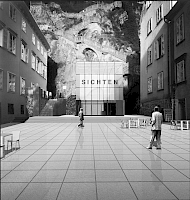
- Place of contemplation
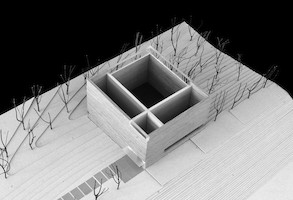
- PublicationsBuildings and Projects
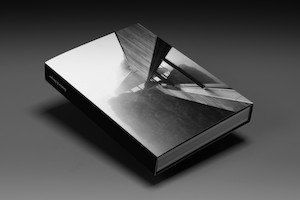
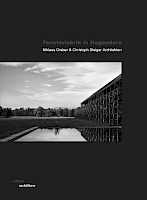
- Window factory extension
- Niklaus Graber & Christoph Steiger Anthologie Bd. 1
Window factory extension
| Location | Flurstrasse 41, Hagendorn ZG |
| Client | G. BAUMGARTNER AG |
| Commission | Competition on invitation 2001–2002 |
| Planning | 2003–2004 |
| Construction | 2004–2006 |
| Architects | Graber & Steiger Architekten, Project Architect: Urs Schmid, Roland Stutz |
| Consultants | Project management: Kurt Heutschi, A. Müller AG, Structural engineer: Locher AG, Façade engineering: Mebatech AG, Landscape architect: Stefan Koepfli |
| Photographer | D.M. Wehrli |
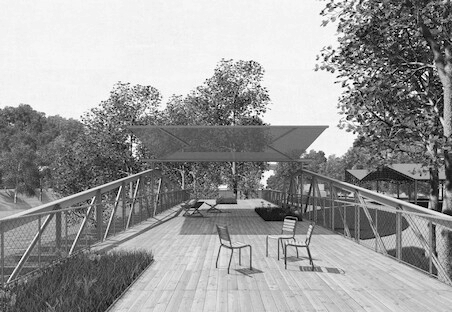
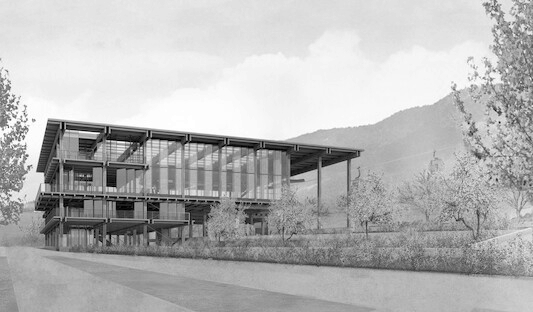
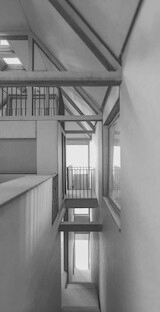
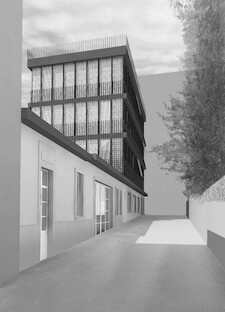
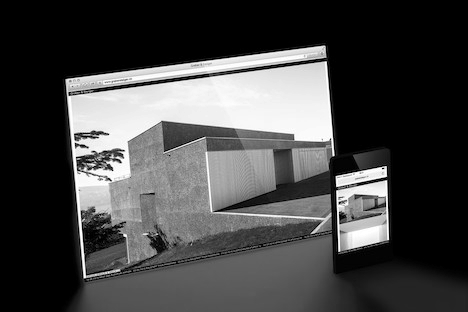
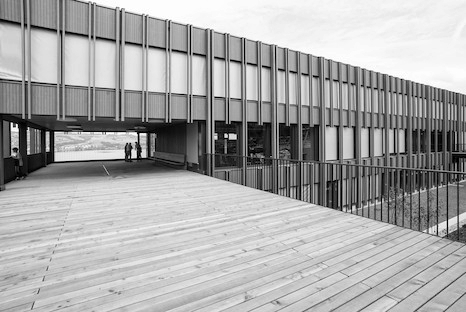
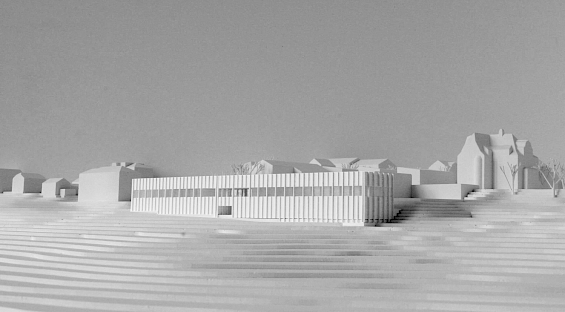
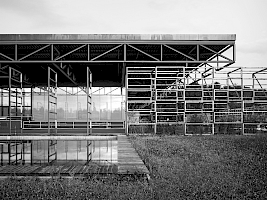
Due to its peripheral location on the edge of the Hagendorn estate, an extension to the existing factory facility, which was required for operative reasons, was only possible on the sensitive landscape of the Reuss-Lorze plane, which meant an especially careful intervention. The locally typical landscape elements such as hedges, forest lines and fields serve as the inspirational phenomena for the design, on the basis of which the architecture is interpreted. A frame construction covered with local wild plants lines the estate as an exterior façade, while the occupied field area is replaced by a projecting roof in the form of a meadow as an artefact. The hybrid architecture and landscape thereby appears as a «geometrified» natural element in the field landscape.